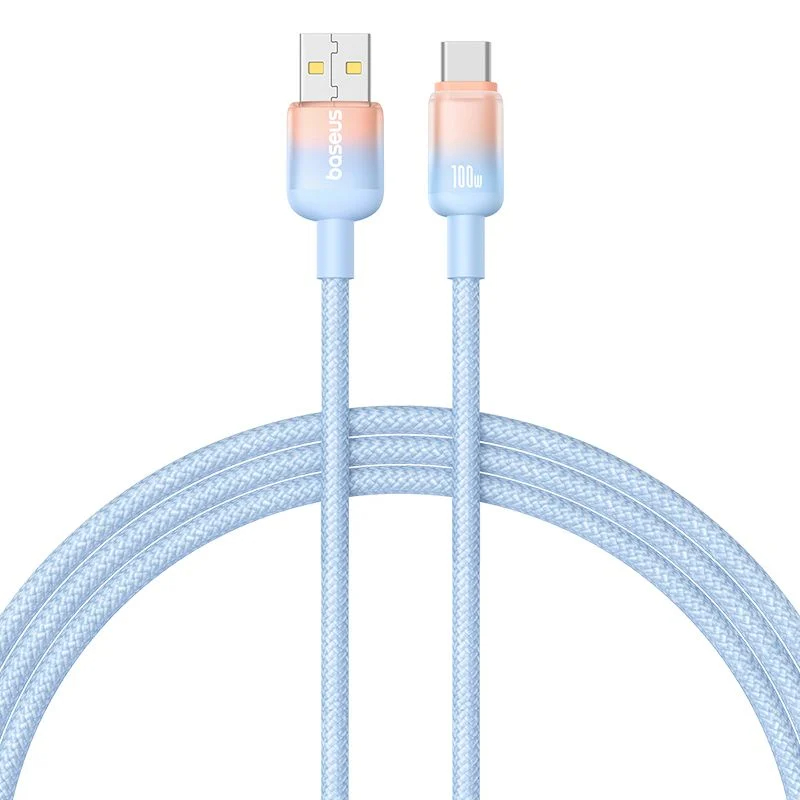
iPhone Charging Cable Manufacturing Plant in Vietnam
iPhone Charging Cable Manufacturing Plant in Vietnam
In the premium accessory segment, a quality iPhone charging cable is not just about its appearance, but also about its stringent internal technical specifications. At modern manufacturing plants in Vietnam, controlling everything from electrical resistance to welding techniques is becoming a mandatory standard.
1. The influence of environment and temperature on cable durability.
The humid tropical environment in Vietnam is the number one "enemy" of electronic components.
- Oxidation:High humidity can easily cause contact points to rust if they are not properly plated.
- Temperature and current:During high-power charging (Fast Charge), heat is generated according to Joule's law: P = I^2 x R. If the conductor has a high resistance R, the temperature will skyrocket, making the outer plastic sheath brittle and causing aging of the inner copper core.
2. The problem of power loss and resistance control. - MyMy Technology
Power loss in the charging cable is the main reason why iPhones charge slowly and overheat.
- Wire core resistance:Factories prefer to use pure copper or tin-plated copper to reduce electrical resistance.
- Control resistance:A standard cable must maintain low and stable resistance. This not only helps increase the cable's lifespan but also ensures that the current is transmitted intact from the charger to the device, minimizing energy waste.
3. The role of welding techniques and new technologies in manufacturing.
The connection technique between the wire core and the connector determines 80% of the cable's durability.
- Modern Laser Welding:Instead of manual lead soldering which is prone to peeling, laser soldering technology creates ultra-small yet extremely strong joints that can withstand high tensile forces.
- Intelligent control chip:New iPhone cables incorporate an E-marker chip or a C94 chip (for the Lightning port) to regulate the current flow, automatically cutting off in case of a malfunction.
4. Design improvements: Preventing cable breakage – A user concern. - MyMy Technology
The biggest weakness of traditional iPhone cables is their susceptibility to "bottlenecks" (breakage at the ends). Factories in Vietnam have come up with groundbreaking design solutions:
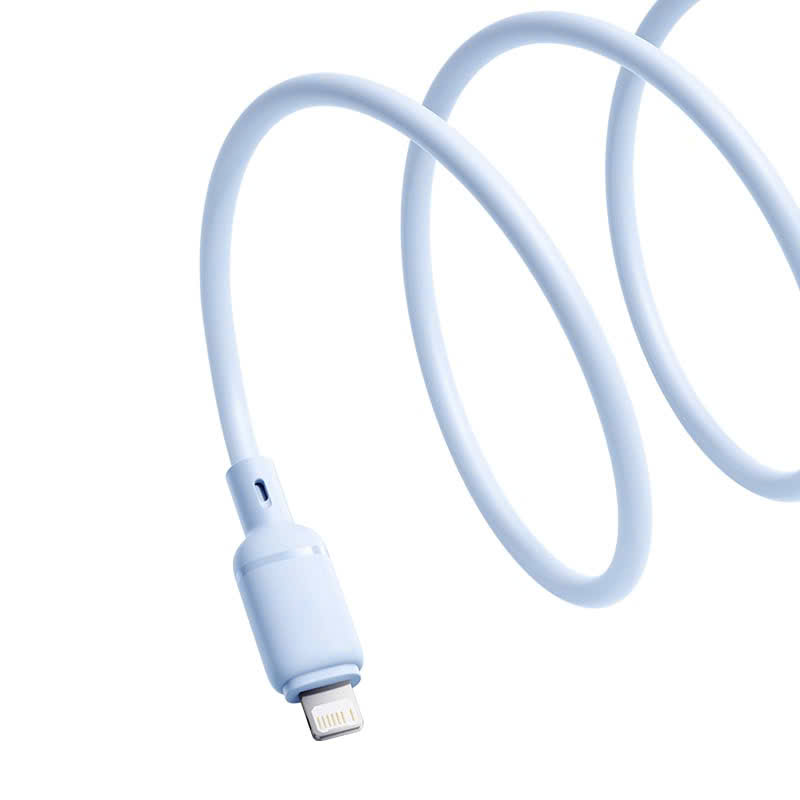
- SR (Strain Relief) design:The cable neck is extended and made of high-elasticity TPE plastic, allowing it to be folded and unfolded more than 10,000 times without cracking or breaking.
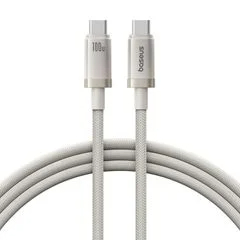
- Nylon/Kevlar fiber sheath:Enhances resistance to external forces and effectively prevents tangling.
5. The close relationship between charging cables and battery life.
A low-quality cable with fluctuating current will subject your iPhone battery to thermal shocks and unstable charging cycles.
- Nighttime current stability:When charging overnight, trickle charging requires a cable capable of maintaining an extremely low but steady current. If the cable experiences signal interference, this process is interrupted, directly reducing battery life (Battery Health).
6. Optimizing charging cables for modern iPhone users. - MyMy Technology
Modern users need more than just charging; they need a synchronized ecosystem. Today's charging cables are optimized to:
- Supports high-speed data transfer (Data Sync).
- Perfectly compatible with Power Delivery (PD) fast charging standards.
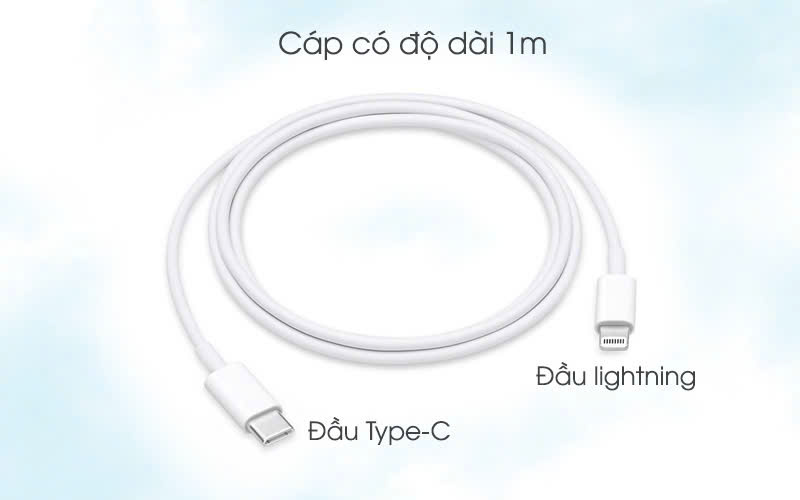
- Available in various lengths (from 0.25m to 2m), suitable for any space from a desk to a car.
Conclude
MyMy Technology The production of iPhone charging cables in Vietnam is now approaching international standards. The focus is on...welding techniques, resistance control and material improvementIt not only creates a durable product but also provides maximum protection for the user's expensive iPhone.